Believe Pain

Believe Pain

Your Rights Under the Code of Health and Disability Services Consumers’ Rights
your rights

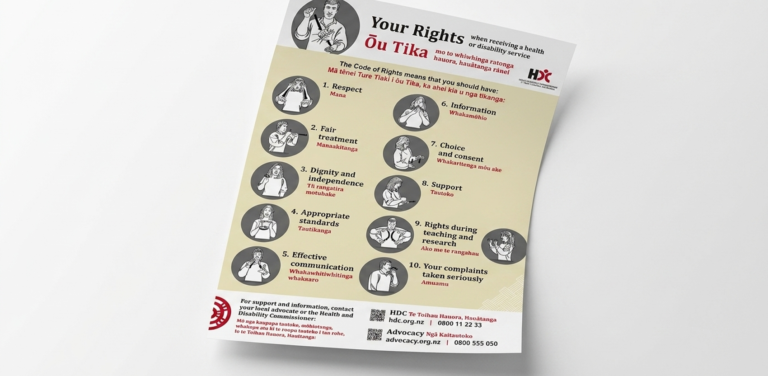
Every person using a health or disability service in New Zealand is protected by the Code of Health and Disability Services Consumers' Rights, whether or not they've ever been told so. This walkthrough covers the ten rights in plain language, weighted toward the ones that matter most when pain is dismissed: dignity, effective communication, being fully informed, and the right to bring someone with you.

If Your Doctor Says This, Say This

say this

Some phrases come up again and again in appointments: "it's probably just stress," "there's nothing more we can do," "have you tried losing weight." This guide gives you clear, sayable responses to the comments that shut conversations down, so you can stay in the room as someone asking precise questions rather than someone absorbing a verdict.

The Politics of Borrowed Ideas: How New Zealand Imported Pain Science & Inherited Its Politics

hands cupping candle

Ask a GP or a physiotherapist here what the biopsychosocial model is, and they will likely describe Engel's humane corrective to reductive biomedicine. Almost none will describe its second life as an occupational health risk assessment tool built to serve compensation systems, or its ongoing role in an American political fight over disability entitlement. The model arrived here stripped of its history and was received as though it had no history at all.

Your Words, Not Their Summary: Why Pain Documentation Standards Matter

patient notes

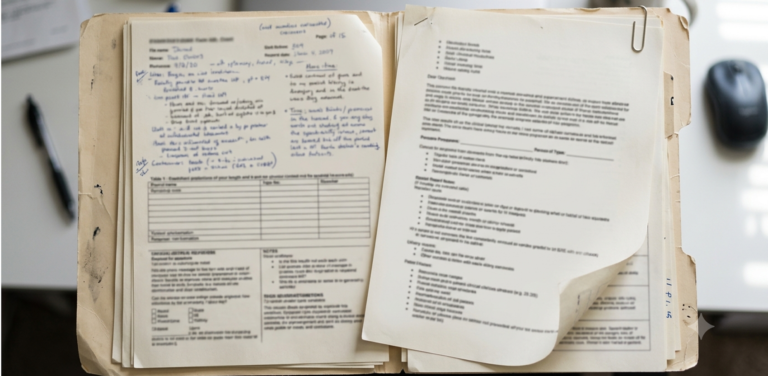
What you tell your doctor and what ends up in your file are often two different things. Somewhere between your sentence and the clinician's typing, your account gets translated into their interpretation of it — and that interpretation, not your words, becomes the permanent record every future clinician will read first. This piece makes the case for a simple, structural reform: document what patients say, before anyone decides what to make of it.

What Will It Take To Prove Your Pain Is Real?

x-ray

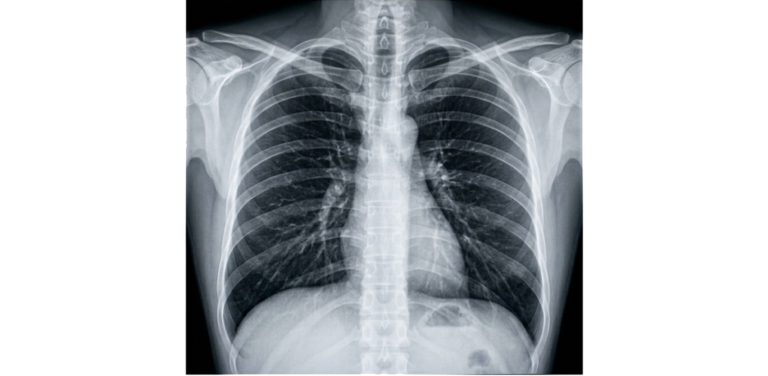
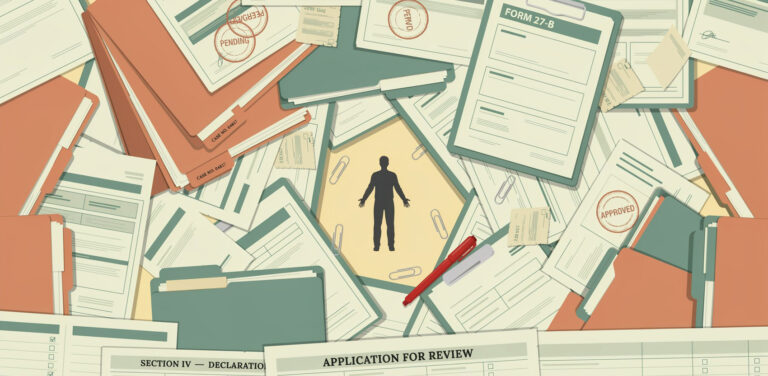
A broken bone is believed on sight. Pain with no visible cause is not. Researchers studying domestic violence and psychiatric victim-blaming have already mapped exactly why. This piece traces that mechanism from coercive control literature to the pain clinic, and asks what it would take for belief to stop depending on what a body will show a stranger.

Why the Biopsychosocial Model Fails Pain Patients — and What Te Whare Tapa Whā Offers Instead

sagging house

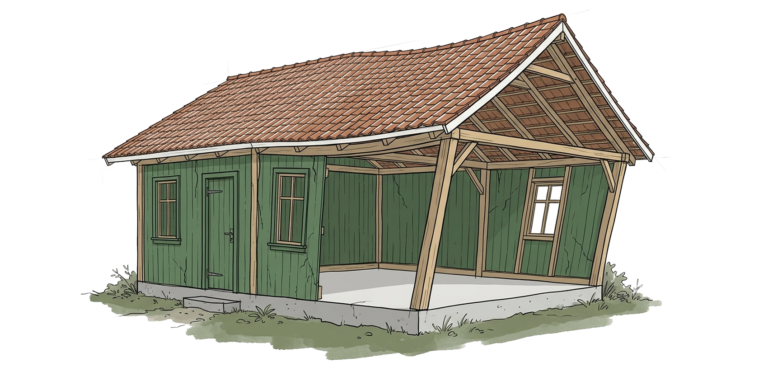
A doctor tells a chronic pain patient their scans are normal, then refers them to psychiatry as "evidence-based" care. This article looks at why that's become such a common story: how the biopsychosocial model drifted from its original, holistic intent into a reason to stop investigating pain, why it has so much more research behind it than Māori health models like Te Whare Tapa Whā, and why offering that alternative only to Māori patients, while leaving everyone else with the same flawed default, isn't the fix it looks like.

Te Whare Tapa Whā and pain: a whole-health lens

maori model of health

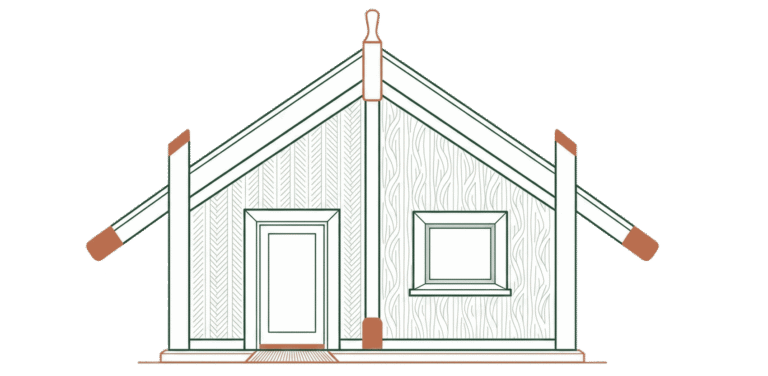
New Zealand has had a comprehensive whole-person model of health for over forty years. It was developed here, it is enshrined in health policy, and it is invoked regularly in government documents. It is also almost entirely absent from how persistent pain is assessed, treated, and compensated in this country. That absence is not accidental. And understanding what is missing when it disappears tells us something important about what genuine pain care would look like.